
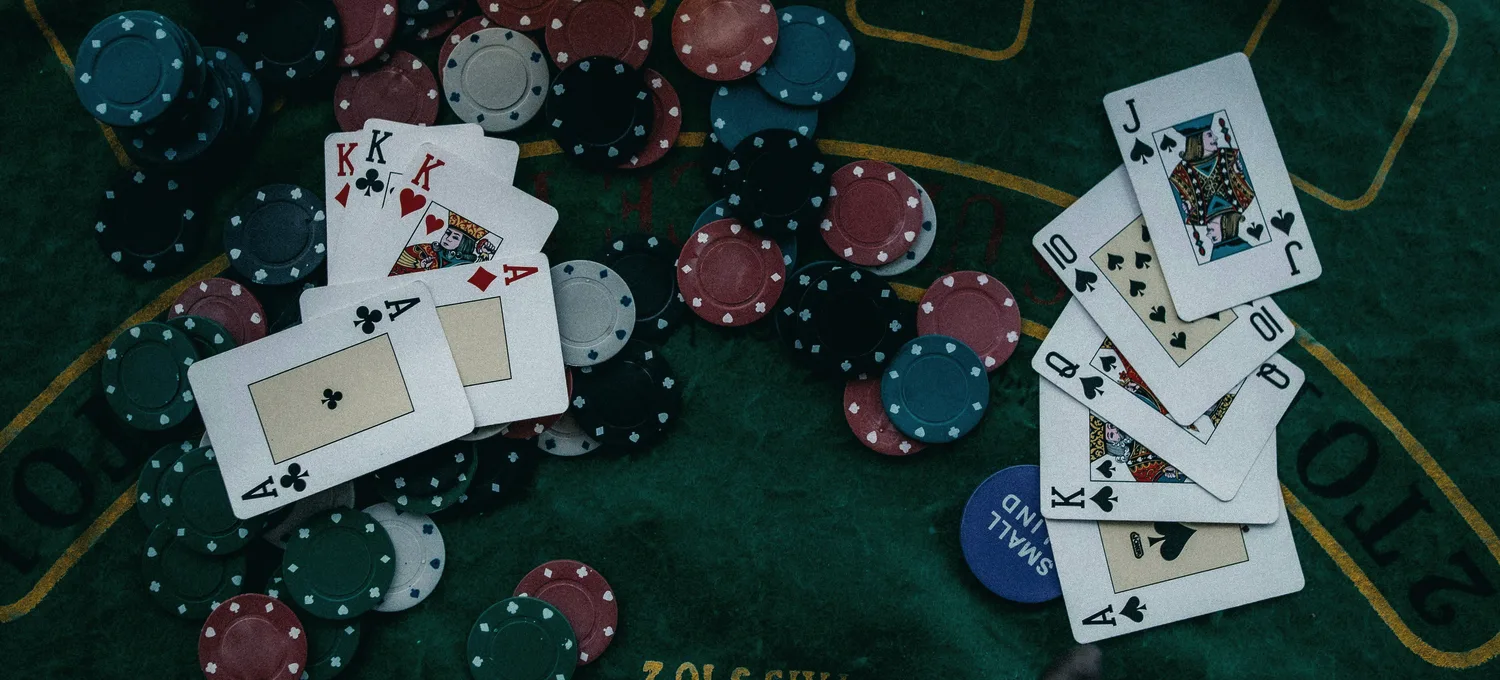
The Pokerman build, as our crew has watched it
What Pokerman actually is
Pokerman is a mobile club poker application in the same family as PPPoker, ClubGG and Upoker — apps that are popular across Mongolia and the wider CIS. You do not deposit on an open cashier and sit at a public table. Instead you join a private club through an invite code, and an agent (also called a host or super-agent) issues you chips, tracks your balance, and settles up with you off-platform. The app provides the dealing, the table UI and the chip accounting; the money relationship is human.
This matters for the bot question. On a regulated cash site, a bot connects to a known client and the operator fights it with kernel-level anti-cheat. On a club app, the operator is a small team and the first line of defence is the agent who knows their players. The economics, not just the software, shape what a bot can and cannot do here.
Formats and limits we've seen on Pokerman
There is no single "Pokerman limit" the way there is on a regulated room — every club sets its own buy-in and blind structure, and an agent can change it without notice. Across the clubs we've looked at, three table shapes keep coming up:
| Format | What it looks like | Why it matters for a bot |
|---|---|---|
| 6-max NLH cash | The default table type in most clubs; blinds and buy-in tiers set per club | Longest sessions, most hands per hour — the most data an agent can watch a win-rate curve on. |
| Heads-up NLH | Fewer clubs run it, usually as a side option | Faster variance and fewer players at the table to blend in with, so consistent play stands out sooner. |
| Sit & Go (6- or 9-max) | Fixed buy-in tiers, structure resets every game | Short, self-contained sessions are worse for automation that leans on session-length or fatigue patterns to look human. |
This is descriptive, not a spec — Pokerman does not publish a fixed stakes list, and what one club runs can be entirely different from another. The reason it matters for the bot question is that most of what an agent watches (session length, bet timing, how a stack grows) reads differently depending on which of these three you're sitting at.
What a bot could realistically automate
Because Pokerman runs on Android and iOS only, a bot cannot hook into a tidy desktop process. It has to operate the device the way a person would. In practice that means one of three approaches:
- On-device automation — an Android accessibility service or an overlay app that reads the rendered table and dispatches synthetic taps.
- Emulator + screen scraping — running the APK inside an emulator on a PC, capturing frames, and feeding decisions back as input events.
- Assisted play (a real-time advisor) — a tool that watches the screen and only suggests an action, leaving the human to tap. This is a HUD, not a bot, but it lives in the same grey zone.
What gets automated is the mechanical part: reading hole cards and board, estimating equity, and choosing fold / call / raise sizing from a preflop chart plus a simple postflop heuristic. None of that is exotic. The hard, fragile part is the plumbing — staying attached to a moving UI, surviving app updates, and not looking like a machine. We walk through that plumbing on the how club apps work page.
The real risk picture
The headline risk is not that a bot cannot play passable poker — a tight, GTO-flavoured strategy is well within reach. The risk is everything around it:
| Risk | Why it bites on a club app |
|---|---|
| Account freeze | The club can lock your seat and void chips the moment behaviour looks automated — no refund, no appeal. |
| Agent exposure | You settle with a human. If your chips are voided, you may still owe your agent for the buy-in. |
| Device + payment ban | Device fingerprints and payment handles get blacklisted, so a fresh account on the same phone is caught fast. |
| App-update breakage | A UI change can desync a screen-scraper mid-session and make it misclick into a bad spot. |
None of these depend on the operator running fancy anti-cheat. They depend on people watching win-rates and timing, and on the simple fact that an automated player on a small club stands out. We cover what specifically gets accounts frozen on the account safety page.
How Pokerman differs from a public poker site
It is worth being precise about the difference, because it changes every answer. On a regulated room the operator owns the whole relationship: your account, your deposit, your withdrawal, and the anti-cheat that runs against a known desktop or mobile client. Cheating there is a fight between you and a well-resourced security team. On Pokerman the operator deliberately stays thin — it licenses the platform to clubs and lets agents handle players and money. That decentralisation is the product's selling point for organisers, but it also means the day-to-day policing of a table is closer to the players: an agent who notices a balance climbing too fast, or regs who report a seat that never seems to make a human mistake. A bot does not have to beat a faceless system; it has to beat a small room of people who can see it.
Common misconceptions
A few beliefs circulate in chat groups that are worth correcting up front:
- "A bot can see everyone's cards." No. The client only receives what it is allowed to display — your cards and the board. Hole cards of others never reach the device, so no screen-scraper or memory-reader can recover them.
- "If I play perfectly I can't be caught." Playing too perfectly is itself the signal. Detection looks for the absence of human noise — variable timing, occasional mistakes, fatigue — not for bad strategy.
- "It's just an advisor, so it's allowed." Real-time assistance is against the rules on essentially every club app, advisor or full bot. The grey area is detection difficulty, not permission.
- "A new account fixes a ban." Device and payment fingerprints persist, so a fresh login on the same phone is usually re-flagged fast.
FAQ
Does a Pokerman bot only work on Android, or can it run on iPhone too?
Android, in practice. The automation paths that exist — accessibility-service taps and emulator screen scraping — both need OS-level hooks that iOS does not expose without a jailbreak. We have not seen a working iOS setup; every writeup we could verify runs on a rooted or stock Android device, or in an emulator on a PC.
Can a Pokerman bot actually get detected, or is that just marketing?
It gets detected, and not by magic. The signals are mundane: timing that is too consistent, bet sizing that never varies by a chip, sessions with zero fatigue, and — on the emulator path — a device fingerprint that does not match a phone. None of that needs kernel-level anti-cheat; a club's own win-rate review catches most of it before software does. See the account safety page for the specifics.
What does a working setup actually cost, and is it worth it?
The strategy engine is cheap — preflop charts and a postflop heuristic are commoditised. The expensive part is the plumbing: an emulator or rooted device, ongoing fixes every time Pokerman ships an update that moves a button, and the agent relationship you still owe money to if your chips get voided. Priced honestly, most of the cost is maintenance time, not the initial build.
Where this leaves you
The honest read on Pokerman is that the platform was built to be hard to automate, and the club-and-agent layer around it does most of the policing. A bot can play the cards; what it cannot do is look human to people who settle with you in person and watch your win-rate by hand. If your real goal is steadier results, your study time is better spent on range work and table selection than on fighting a UI that breaks every update.
If you would rather walk through your specific situation with someone instead of reading more pages, you can reach a person here.